Winter House: A Designer’s Review for Cozy Embroidery Projects
As a designer who spends more time staring at stitch simulations than I do sleeping, I have learned that not every machine embroidery design is created equal. Some are flashy but fragile; others are simple yet soulless. Then there are designs like Winter House, which manage to strike that elusive balance between artistic charm and technical reliability. When I first loaded this file into my software, I wasn’t just looking for a pretty picture. I was looking for a design that could hold its own on a commercial product, withstand the rigors of washing, and still deliver that emotional punch that makes a customer stop scrolling.
The First Impression: Mood and Visual Personality
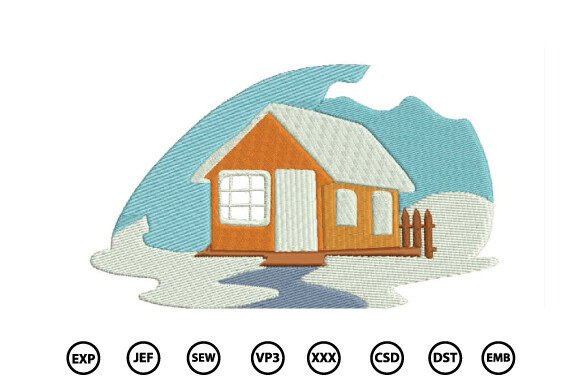
The immediate appeal of Winter House lies in its narrative. It is not merely a building; it is an invitation. The design encapsulates the cozy charm of the season, featuring a picturesque snow-covered cottage, a hint of a warm hearth, and a serene landscape. For an embroidery reviewer, the first thing I check is the silhouette. Does it read well from a distance? In this case, the answer is yes. The layout is balanced, avoiding the common pitfall of having too much visual weight on one side.
The detail level is moderate, which is a strategic choice. Too many tiny details can turn into a mess of thread breaks and bird nests on lower-end machines, while too few can look amateurish. Winter House sits comfortably in the middle ground. It uses shape and contrast to define the rooflines and windows rather than relying solely on microscopic satin stitches. This makes it versatile for various embroidery projects, from high-end boutique decor to everyday handmade gifts.
Real-World Application: From Screen to Stitch
To truly evaluate a design, you have to imagine it on a physical object. I recently considered using Winter House for a line of custom tote bags intended for a holiday market. The concept was simple: a natural canvas tote with the cottage centered, evoking a sense of rustic winter warmth. Here is how the design performs in real-life scenarios.
For tote bag design applications, the stability of the image is crucial. Canvas has a distinct weave, and a design with poor stitch density can sink into the fabric, losing definition. Winter House appears to have sufficient fill coverage to sit proudly on top of textured fabrics. If you are planning sweatshirt embroidery, the design’s cozy aesthetic aligns perfectly with the garment’s purpose. Imagine this stitched on the left chest of a heather grey crewneck or as a larger back piece on a fleece jacket. The "warm hearth" element suggests orange and gold thread colors, which pop beautifully against neutral apparel backgrounds.
However, context matters. While this design shines on flat surfaces like pillow covers or aprons, I would approach curved surfaces with caution. Placing a detailed house scene on a cap requires careful digitizing adjustments to account for the curvature. If the original embroidery file is not specifically optimized for caps, the proportions may distort, making the cottage look stretched or compressed.
Technical Considerations for the Serious Maker
Before you commit to stitching a dozen units for your craft business, you need to think like a technician. Here are the practical notes I jotted down while reviewing Winter House.
- Stitch Density and Fabric Choice: Check the density settings in your software. If the design is dense, it may pucker thin fabrics like voile or lightweight cotton. For baby embroidery items, such as onesies or burp cloths, always use a cut-away stabilizer to support the weight of the threads. For heavier items like denim jackets, a tear-away might suffice, but test it first.
- Thread Color Contrast: The success of this design relies heavily on color placement. The snow-covered elements need to stand out against the house structure. I recommend testing your thread colors on scrap fabric before starting the final piece. Dark fabrics can swallow lighter threads if the underlay is not sufficient. Conversely, on white fabric, ensure your outlines are dark enough to define the shape.
- Hoop Size Constraints: Verify the dimensions of the design against your available hoop sizes. If Winter House is a large format design, you may need a 5x7 or 6x10 hoop. Trying to squeeze a large design into a 4x4 hoop by resizing it can ruin the stitch balance, making satin stitches too wide and prone to snagging.
- Small Details and Corners: Inspect the corners of the roof and the window frames. Sharp corners in embroidery are tricky. If the design uses tight zig-zags or complex fills in these areas, ensure your machine tension is calibrated. Loose tension can cause gaps in the corners, breaking the illusion of the crisp winter air.
Commercial Viability and Brand Consistency
For Etsy sellers and small shop owners, the visual appeal of a design directly impacts perceived value. Winter House exudes professionalism. It does not look like a clip-art conversion; it looks like a purpose-built design asset. This distinction is vital for building customer trust. When a buyer sees clean lines and consistent stitch direction, they associate that quality with your brand.
This design is particularly effective for holiday embroidery collections. It fits seamlessly into a lineup of winter-themed products, from kitchen towels to decorative pillows. Its versatility allows it to be a standalone statement piece or part of a larger seasonal collection. For those creating personalized gift items, consider adding monograms below the cottage. The serene landscape provides a natural negative space where text can be added without cluttering the main image.
When creating printable mockups for your online store, remember that lighting affects how embroidery looks in photos. Satin stitches reflect light differently than fill stitches. Ensure your product photography highlights the texture of the Winter House design to convey its tactile quality to digital shoppers.
Where to Use Caution
While Winter House is robust, it is not invincible. Avoid using it on highly stretchy fabrics like spandex or jersey knits without proper stabilization and possibly a backing interface. The rigid nature of embroidery threads can restrict the stretch of the fabric, leading to discomfort in custom apparel. Additionally, if you are producing an embroidered patch, ensure the edges are finished with a clean satin border to prevent fraying after cutting.
Also, be mindful of licensing. Just because you bought the digital embroidery file does not automatically grant you unlimited commercial rights. Always confirm the license terms with the creator. Some designers allow unlimited sales of finished physical products, while others restrict the number of units or prohibit the sale of the digital file itself. Protecting your small shop product line starts with respecting intellectual property.
Final Verdict
In the world of commercial embroidery, reliability is king. Winter House offers a compelling mix of aesthetic warmth and structural integrity. It is a design that respects the medium, understanding the limitations and strengths of thread and fabric. Whether you are stitching a single personalized gift for a friend or running a batch for your holiday inventory, this design provides a solid foundation for a high-quality finished product.
My advice? Download the file, run a test stitch on your most challenging fabric, and adjust your tension. Once you see that first clean stitch lay down, you will understand why this cottage belongs in your winter collection. It is not just a house; it is a home for your creativity.