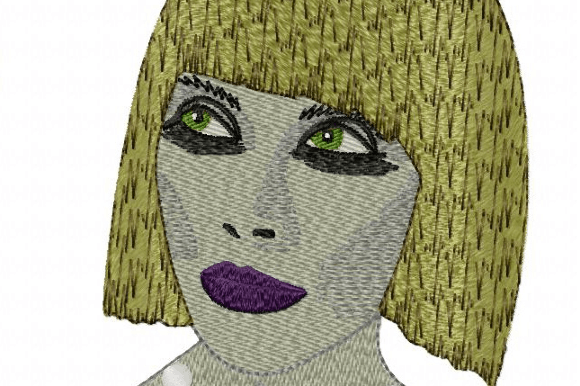
Amanda Embroidery Design: A Designer’s Honest Review
As an embroidery designer who spends countless hours digitizing and testing files, I approach every new download with a critical eye. We all know the struggle of finding a machine embroidery design that not only looks beautiful on screen but performs flawlessly under the needle. Recently, I came across Amanda on Creative Fabrica, and it caught my attention immediately. The product description highlights that this is an exclusive piece, meticulously created by a family of craft enthusiasts with love poured into every stitch. That kind of backstory often hints at a design with soul, rather than something churned out by an algorithm. In this review, I will break down how Amanda holds up for real-world projects, from custom apparel to boutique merchandise.
First Impressions and Visual Appeal
The first thing I noticed about Amanda is its delicate balance between intricacy and clarity. In the world of Embroidery, especially within the Accessories category, designs need to be versatile. Amanda possesses a decorative appeal that feels both timeless and fresh. The stitching personality suggests a mix of techniques, likely incorporating smooth satin stitch borders alongside textured fill stitch areas to create depth. This combination is crucial for catching the light and giving the finished piece a premium look.
For those of us selling on Etsy or at local craft fairs, visual mood is everything. Amanda exudes a warmth that translates well into photography. Whether you are creating a printable mockup for your online store or staging a flat lay for Instagram, this design has the presence to stop the scroll. It does not scream for attention with chaotic lines; instead, it invites the viewer to look closer, which is exactly what you want for high-end handmade goods.
Real-World Application for Small Business Owners
When I evaluate a digital embroidery file, I always ask myself: "Where does this belong?" Amanda is incredibly adaptable. Here is how I envision using it in a commercial setting:
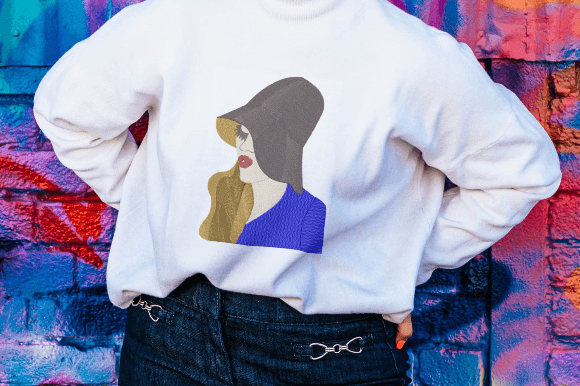
- Custom Apparel: This design would look stunning on the chest of a fitted tee or the cuff of a denim jacket. The scale seems appropriate for standard hoop sizes, making it ideal for sweatshirt embroidery where you want a focal point without overwhelming the garment.
- Tote Bags and Aprons: For canvas or cotton tote bags, Amanda adds a touch of elegance. A tote bag design needs to be durable yet attractive, and this piece fits the bill. Similarly, placing it on a linen apron creates a beautiful gift for home cooks or professionals.
- Home Decor: Imagine this stitched onto a pillow cover or a nursery decor item. The softness of the design complements textiles used in living spaces, adding a personalized touch to generic home goods.
- Embroidered Patches: If you are into making patches, Amanda could work well on twill fabric. Just ensure you use a cutaway stabilizer to maintain shape after cutting.
For creative entrepreneurs, consistency is key. Using a cohesive set of design assets like Amanda helps build brand recognition. If your shop specializes in feminine, detailed, or heartfelt items, this design aligns perfectly with that aesthetic.
Technical Considerations for Stitching Success
While the aesthetics are promising, the technical execution is where many designs fail. As an experienced designer, I have some practical notes for anyone planning to stitch Amanda.
Fabric and Stabilizer Selection
The performance of any embroidery file depends heavily on the substrate. For Amanda, I recommend starting with a medium-weight woven fabric like cotton or linen. These fabrics provide a stable base for the stitches. If you are working with stretchy fabric, such as jersey for t-shirts, a high-quality cutaway stabilizer is non-negotiable. Without it, the design may pucker or distort over time, especially after washing.
Dark fabrics can be tricky. If you plan to stitch Amanda on black or navy, pay close attention to the thread colors specified in the file. You may need to adjust the underlay or add a backing layer if the design includes light-colored threads to prevent the fabric from showing through. Always run a test stitch on scrap fabric first. This simple step saves hours of frustration and wasted materials.
Hoop Size and Density
One detail often overlooked is stitch density. Designs that look dense on screen can sometimes pull too tightly on delicate fabrics. Before committing to a final product, check the stitch count and density settings in your embroidery software if possible. If Amanda features tiny lettering or intricate details, ensure your machine is calibrated correctly. Needle size matters here; a sharp needle (size 75/11) is usually best for crisp details.
Also, confirm the required hoop size before you begin. Nothing is more disappointing than realizing mid-project that your design exceeds your hoop dimensions. While specific measurements are not provided in the brief description, most Creative Fabrica embroidery products list these specs clearly on the download page. Always verify this before purchasing.
Enhancing Product Value and Customer Trust
Why does the choice of design matter for your bottom line? Because customers buy with their eyes. A well-executed handmade product featuring Amanda signals quality. When a customer receives a personalized gift or a piece of custom apparel with clean, professional stitching, their trust in your brand grows. This leads to repeat business and positive reviews.
Furthermore, Amanda enhances the "giftability" of your items. In the seasonal market, shoppers are looking for items that feel special and unique. A design that looks like a "unique masterpiece," as described, adds perceived value. It allows you to price your items higher because they are not just generic commodities; they are curated pieces of art.
Final Verdict and Licensing Notes
Is Amanda worth downloading? Based on its visual potential and versatility, yes. It offers a strong foundation for various commercial embroidery projects. However, success lies in the execution. Take the time to test, adjust tension, and choose the right materials.
Before you start stitching for profit, please review the license terms on the Creative Fabrica product page. Licensing rules can change, and it is vital to understand whether the file allows for unlimited physical sales or if there are restrictions. Never assume; always read the fine print to protect your business.
In conclusion, Amanda is a promising addition to any designer’s library. It bridges the gap between artistic expression and commercial viability. Whether you are decorating caps, kitchen towels, or baby blankets, this design has the potential to elevate your work. Just remember to respect the technical requirements of embroidery, and let the quality of your craftsmanship shine through every stitch.