Water Drop Character: A Designer’s Review for Branded Merch
As an embroidery designer who has spent years digitizing and reviewing files for commercial use, I approach every new machine embroidery design with a critical eye. It is not just about whether a design looks cute on a screen; it is about how it performs in the real world of small business merchandise. Today, I am reviewing the Water Drop Character, a whimsical digital file that promises to add charm to various textile applications. For boutique owners, Etsy sellers, and apparel decorators, understanding the practical viability of this design is crucial before investing in production runs.
First Impressions: Visual Personality and Brand Fit
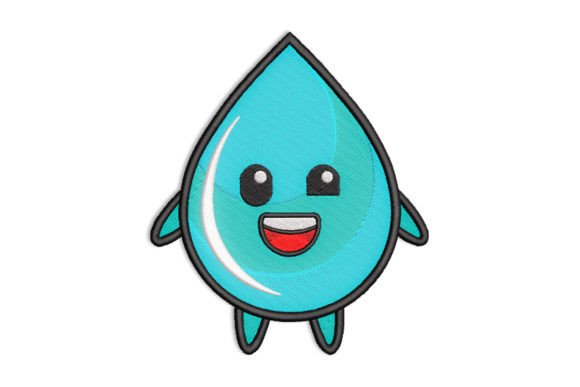
The first thing that strikes me about the Water Drop Character is its inherent playfulness. The description suggests it brings a "touch of whimsy and charm," and visually, it delivers on that promise. This is not a rigid, corporate logo style; it is organic, friendly, and approachable. For brands in the Bathroom category, such as artisanal soap makers, luxury towel companies, or spa retailers, this aesthetic is a perfect match. It feels handmade and personal, which aligns beautifully with the current consumer demand for authentic, handmade product experiences.
However, "whimsical" can sometimes translate to "unprofessional" if not handled correctly. In my review, I look for balance. Does the character maintain its integrity when scaled down? Is the line work clean enough to suggest quality? The Water Drop Character appears to strike a good balance between decorative flair and structural simplicity, making it a versatile asset for design assets libraries of creative studios and local businesses.
Real-World Applications for Small Business Merch
Let us move beyond theory and discuss where this embroidery file truly shines in a commercial setting. The versatility of a character-based design allows it to function across multiple product lines.
- Embroidered Patches: This is perhaps the strongest use case. A patch featuring the Water Drop Character can be sewn onto denim jackets, canvas bags, or even used as a hang-tag alternative for clothing brands. It creates a tangible touchpoint for customers.
- Apron Embroidery: For bakeries, florists, or cafes, staff uniforms are walking billboards. Placing this character on the chest pocket of an apron adds a layer of warmth and hospitality. It signals to customers that the brand values detail and care.
- Tote Bag Design: Canvas totes are staples for eco-friendly brands. The Water Drop Character works well as a central motif or a corner accent, turning a simple bag into a branded accessory that customers will actually want to reuse.
- Cap Embroidery: While tricky due to curvature, a simplified version of this character could work beautifully on the side panel of a dad hat or trucker cap, offering subtle branding without overwhelming the wearer.
For small business merch, consistency is key. Using this character across different items helps build brand identity. When a customer sees the same whimsical drop on their towel, their tote, and their receipt packaging, it reinforces recognition and trust.
Technical Considerations and Production Challenges
While the aesthetic appeal is high, any experienced embroiderer knows that technical execution determines the quality of the finished product. Here are the critical factors I evaluate when preparing the Water Drop Character for production.
Stitch Density and Fabric Texture
The description mentions stitching on towels and pillows. These are textured, often thick fabrics. If the stitch density of the design is too high, it can cause puckering or stiffness, especially on lighter fabrics like cotton tees. Conversely, if the density is too low on a plush towel, the backing fabric might show through. I recommend running test stitches on the specific fabric texture you plan to use. For terry cloth towels, a cut-away stabilizer is essential to support the weight of the stitches and prevent distortion.
Size Constraints and Detail Loss
One common mistake in commercial embroidery is scaling a design too small. If you intend to use the Water Drop Character as a tiny chest logo on a polo shirt, you must ensure the details do not merge. Fine lines and small gaps can fill in with thread, turning a distinct character into a blob. Always check the minimum recommended size provided with the digital embroidery file. If no specific size is listed, start with a 2-inch hoop test and examine the clarity of the edges.
Thread Colors and Contrast
Since this is a character design, color choice defines its personality. On dark uniforms, you will need high-contrast thread colors to ensure visibility. However, avoid using pure white on stark black if you want a softer, more premium look; consider off-white or light blue. For a printable mockup or client approval, always visualize the design in both full color and single-color variants to ensure it holds up in monochrome applications, such as stamped packaging or single-color embroidery budgets.
Enhancing Brand Identity and Customer Trust
Why does this matter for your bottom line? Because embroidery elevates perceived value. A printed logo can fade or crack; an embroidered Water Drop Character adds texture and dimension that screams quality. For custom apparel and home decor, this tactile experience increases customer satisfaction and encourages social sharing. When a customer receives a pillow or towel with precise, charming embroidery, they perceive the brand as attentive and premium.
This design also aids in visual consistency. If your brand voice is friendly and approachable, a rigid geometric logo might feel disconnected. The Water Drop Character bridges that gap, ensuring your brand identity is communicated not just through words, but through the very texture of your products.
Practical Designer Notes for Implementation
Before you launch your next collection featuring this design, follow these professional steps to ensure success:
- Test in Black and White: Before committing to expensive rayon or polyester threads, stitch the design out in black thread on white fabric. This reveals any issues with spacing, pull compensation, or density without the distraction of color.
- Check Hoop Size Compatibility: Confirm that the design fits within your standard hoop sizes. If it requires a large hoop, it may not be suitable for small items like baby socks or narrow cap brims.
- Verify Commercial Licensing: The product description notes it comes with certain attributes, but always double-check the license terms. Ensure you have the right to use the machine embroidery design for physical goods sold in your shop.
- Create a Mockup: Use a printable mockup or digital composite to show clients or stakeholders how the Water Drop Character looks on an apron versus a tote bag. This manages expectations and helps in marketing materials before you stitch a single item.
- Stabilizer Selection: Do not skimp on stabilizer. For stretchy fabrics like jersey tees, use a tear-away backed with fusible web. For stable woven fabrics like canvas totes, a cut-away provides long-lasting durability.
In conclusion, the Water Drop Character is a strong contender for businesses looking to inject personality into their Embroidery projects. It is particularly suited for brands in the home, bath, and lifestyle sectors. By paying attention to technical details like stitch density and fabric compatibility, you can transform this digital file into a powerful tool for brand building. Whether used on a staff apron or a customer gift, it offers the whimsy and professionalism that modern consumers crave.