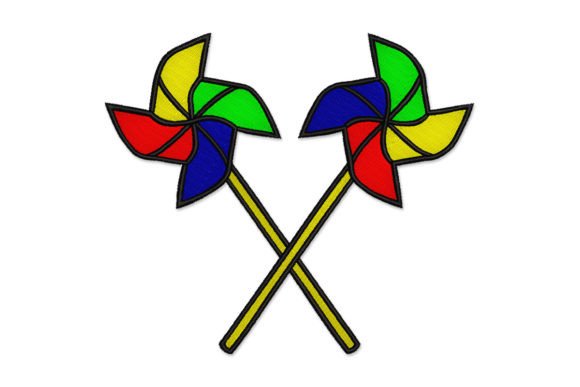
Pinwheel: A Designer’s Review for Personalized Gifts
As an embroidery designer who has spent countless hours hooping, stitching, and unpicking, I approach every new machine embroidery design with a mix of excitement and skepticism. We all know that a pretty preview image does not always translate to a flawless finished product. Recently, I had the opportunity to test the Pinwheel design, a charming piece categorized under Toys and Embroidery, intended for a variety of applications ranging from baby clothes to nursery room decor. My goal was simple: determine if this design holds up under the rigorous demands of a personalized gift shop environment.
First Impressions: Mood and Emotional Appeal
The moment I loaded the digital embroidery file into my software, the mood of the Pinwheel design became apparent. It exudes a sense of playful nostalgia. There is something inherently sweet and classic about the pinwheel motif; it speaks to childhood innocence and simple joys. For a designer, this emotional resonance is crucial. When we create a personalized gift, we are not just selling thread on fabric; we are selling a feeling. The Pinwheel design feels handmade and warm, avoiding the sterile look that some overly complex digital files can sometimes produce.
The detail level is balanced. It is intricate enough to look professional and high-value but not so dense that it becomes a nightmare to stitch out on textured fabrics. This balance makes it versatile. It feels equally at home in a modern minimalist nursery or a rustic, farmhouse-style kitchen. For Etsy sellers and small business owners, this versatility is a significant advantage, allowing you to market the same design to different customer segments without needing to create entirely new collections.
Versatility in Product Application
One of the strongest aspects of the Pinwheel design is its adaptability. During my review, I considered how it would perform across various popular product categories. Here is where I see the most potential:
- Baby Embroidery: The playful nature of the pinwheel makes it ideal for baby blankets and onesies. It appeals directly to parents looking for gender-neutral or whimsical decor for a nursery.
- Kitchen Linens: Imagine this design stitched onto an embroidered towel or a custom apron. It adds a touch of cheerfulness to everyday items, making them perfect housewarming gifts.
- Nursery Decor: Framed art featuring the Pinwheel design can serve as a focal point in a child’s room. The simplicity of the shape allows it to stand out against soft pastel backgrounds.
- Tote Bags and Pillows: For a more durable application, a pillow cover or a canvas tote bag benefits from the bold lines of the design. It withstands frequent handling while maintaining its visual appeal.
For wedding gift designers, while the theme is playful, it can be adapted for a "shower" theme or a couple who loves vintage toys. The key is in the presentation. By choosing sophisticated thread colors, you can elevate the design from childish to chic.
Technical Considerations and Fabric Challenges
While the aesthetic appeal is strong, a professional review must address the technical realities of stitching. The Pinwheel design, like any quality embroidery file, requires careful attention to fabric texture and stabilizer choice. Here are the critical areas where caution is needed:
Fabric Texture and Stability: When working with thick towels or plush blankets, the small details of the pinwheel blades might get lost if the stitch density is too low or if the fabric piles up. I recommend using a cut-away stabilizer for stretchy baby clothes to prevent distortion after washing. For woven fabrics like cotton aprons, a tear-away stabilizer may suffice, but always test on scrap fabric first.
Dark Fabrics and Contrast: The design relies on clear shapes. If you are stitching on dark fabric, ensure your thread colors have high contrast. A subtle tone-on-tone effect might look elegant in a mockup, but in person, the design could disappear. Always compare light and dark fabric mockups before finalizing your product listings.
Curved Surfaces: Stitching on curved surfaces, such as the sleeve of a baby onesie or a rounded pillow cover, requires precise hooping. The Pinwheel design should be centered carefully to avoid warping. If the design includes any small lettering or fine details, these are the areas most prone to puckering on unstable fabrics.
Enhancing Giftability and Perceived Value
From a business perspective, how does Pinwheel affect your bottom line? The answer lies in perceived value and customer trust. A well-executed custom embroidery piece signals quality. When a customer receives a baby blanket with a crisp, clean Pinwheel design, it reinforces the idea that they have purchased a premium handmade product.
This emotional connection drives buyer engagement. Products that evoke nostalgia or joy are more likely to be shared on social media, providing free marketing for your small shop. Furthermore, the versatility of the design allows for creative product photography. You can stage the embroidered item with vintage toys, soft linens, or natural light to create a lifestyle image that resonates with buyers. A printable mockup can help customers visualize the final result, increasing conversion rates for your Etsy listings.
Practical Steps for Embroidery Makers
Before you add Pinwheel to your commercial embroidery lineup, follow these practical steps to ensure consistency and quality:
- Test on Scrap Fabric: Never skip this step. Use the same fabric type you intend to sell. Check for puckering, thread breaks, or registration issues.
- Check Thread Color Contrast: Select thread colors that complement the fabric. Consider seasonal palettes to keep your offerings fresh.
- Confirm Hoop Size: Ensure the design fits comfortably within your hoop size, leaving enough margin for stable hooping. Check the specific dimensions provided with the file.
- Review Stitch Density: If the design feels too stiff on lightweight fabric, you may need to adjust your tension or use a lighter weight stabilizer.
- Use Proper Stabilizer: Match the stabilizer to the fabric. Stretchy knits need cut-away; stable wovens can use tear-away.
- Check Small Details: After stitching, inspect the tips of the pinwheel blades. Are they sharp and defined? If they are blobby, your tension or needle size may need adjustment.
- Confirm Commercial Licensing: Before selling finished products, verify the license terms included with the digital embroidery file. Most designers allow commercial use for physical items, but always read the fine print.
Final Verdict for Small Business Owners
The Pinwheel embroidery design is a solid addition to any designer’s library, particularly for those focusing on baby products, nursery decor, and cheerful home goods. It strikes a balance between playful charm and professional execution. While it requires standard care regarding fabric selection and stabilization, it does not present any unusual technical hurdles. For the Etsy seller or craft fair vendor, it offers a recognizable, emotionally appealing motif that translates well across various mediums. Whether you are creating a sentimental wedding gift or a fun baby shower present, Pinwheel provides the whimsical touch that turns a simple item into a cherished keepsake. Just remember to check the specific file formats and hoop requirements provided with your purchase to ensure a smooth production process.