Reviewing Flowers on Vine for Real Embroidery Projects
As a designer who spends more time staring at stitch simulations than I do sleeping, I have learned that not every machine embroidery design is created equal. Some look stunning on a screen but turn into a tangled mess of thread breaks and puckering on fabric. Others are workhorses—reliable, versatile, and consistently beautiful. When I first loaded the Flowers on Vine file into my software, I was looking for that second category. I needed a design that could hold its own in a professional setting, whether for a high-end boutique order or a quick personalized gift.
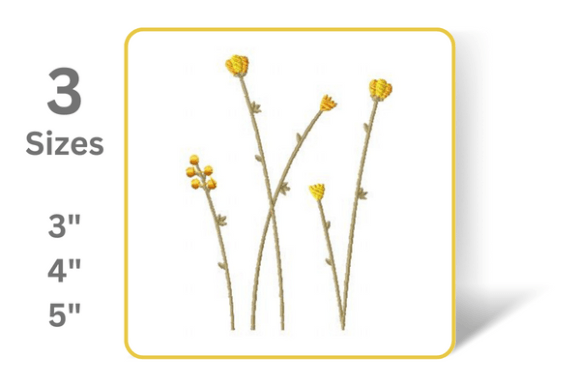
The first impression of Flowers on Vine is one of organic elegance. It does not scream for attention with overly complex shading or impossible detail levels. Instead, it offers a balanced composition that feels natural. The layout suggests a climbing motif, which is incredibly useful for vertical spaces like towel hems or the side seams of apparel. For embroidery designers and small business owners, this versatility is gold. You are not locked into a single application; you are given a flexible asset that can adapt to various embroidery projects.
Putting the Design to the Test: A Real-World Scenario
To truly evaluate an embroidery file, you have to move beyond the digital preview. I recently had a client request a set of custom linen tote bags for a spring bridal shower. The brief called for something floral but not cliché, delicate but durable enough for regular use. Flowers on Vine seemed like the perfect candidate. I chose a medium-weight canvas for the bags, knowing that the fabric texture would interact with the stitches in a way that thinner materials might not.
The stitching process revealed the true character of the design. The vine elements relied heavily on a clean running stitch and subtle satin stitch borders, which laid flat against the canvas without causing excessive pull. The flower heads utilized a mix of fill stitch patterns that provided coverage without becoming too dense. This balance is critical. If the stitch density is too high, you risk perforating the fabric or creating a stiff, cardboard-like feel. If it is too low, the background fabric shows through, ruining the visual impact. In this case, the density was spot-on for a standard home decor weight fabric.
Visual Appeal and Customer Perception
Why does this matter to an Etsy seller or a craft business owner? Because perceived value drives sales. When a customer receives a handmade product, they judge its quality instantly. A poorly digitized design looks amateurish; it pulls the fabric, distorts the shape, or leaves loose threads. Flowers on Vine, when stitched correctly, exudes professionalism. It enhances the finished product rather than detracting from it.
The color interplay is another strength. While the design works beautifully in multi-color thread colors, I also tested it in a monochromatic scheme using varying shades of cream and beige. The result was sophisticated and understated, perfect for modern home decor or minimalist apparel. This adaptability means you can market the same design assets to different audiences. One version appeals to those seeking vibrant holiday embroidery, while another suits buyers looking for neutral, everyday elegance.
Navigating Fabric Challenges and Hoop Constraints
No design is universal, and Flowers on Vine requires thoughtful placement depending on your substrate. While the description states it can be embroidered on any fabric, experienced makers know that "any" comes with caveats. On stretchy fabrics like jersey knits for sweatshirt embroidery or custom apparel, proper stabilization is non-negotiable. I recommend using a cut-away stabilizer to prevent the design from distorting over time, especially since vines imply length and movement.
For thinner materials, such as silk or lightweight cotton used in baby embroidery items, you must be cautious. The satin stitches, while beautiful, can pucker thin fabric if the tension is not adjusted. I always advise testing on scrap fabric first. Check how the fabric texture interacts with the stitches. If you are working on an embroidered patch or a cap, the curved surface adds another layer of complexity. The vine’s curvature works well on caps, but ensure your hoop size accommodates the full height of the design without needing to re-hoop, which can lead to alignment issues.
Dark fabrics present their own challenge. If you are stitching light-colored flowers on a black hoodie, you may need an underlay or a backing layer to prevent the dark fabric from showing through the fill areas. This is where understanding the digitizing behind the digital embroidery file becomes essential. Look at the stitch order in your software. Does it lay down a solid foundation before the decorative top stitches? If not, you may need to add a manual underlay step to ensure crisp, vibrant results.
Commercial Viability and Licensing Considerations
For those running a small shop product line or selling printable mockup previews, consistency is key. Flowers on Vine offers the reliability needed for batch production. However, before you list these items on your store, you must verify the licensing terms. Not all commercial embroidery files allow for unlimited sales or digital redistribution. Always confirm whether the license covers physical finished goods, digital products, or both. This due diligence protects your business and ensures you are respecting the creator’s intellectual property.
Moreover, consider how this design fits into your brand identity. If your brand is known for rustic, farmhouse styles, this floral motif aligns perfectly. If your aesthetic is ultra-modern and geometric, it might feel out of place unless stylized with unconventional thread choices. Think about your target audience. Are they buying a personalized gift for a wedding? A tote bag design for a farmer’s market? The context changes how the design is perceived.
Practical Tips for Best Results
To get the most out of Flowers on Vine, follow these practical steps:
- Test on Scraps: Never stitch a new design directly on your final garment. Use similar fabric scraps to check tension and density.
- Check Contrast: Ensure your thread colors contrast sufficiently with the fabric. Low contrast can make detailed areas look muddy.
- Use Proper Stabilizer: Match your stabilizer to your fabric weight. Tear-away for stable woven fabrics, cut-away for knits and stretchy materials.
- Inspect Small Details: Zoom in on the digital preview. Are there tiny jumps or unnecessary trims? Clean up the file if necessary to reduce thread waste and production time.
- Mockup in Black and White: This helps you see the structure and clarity of the design without the distraction of color. If it looks good in grayscale, it will look good in color.
In conclusion, Flowers on Vine is a strong addition to any designer’s library. It balances aesthetic appeal with technical practicality, making it suitable for a wide range of applications from pillow covers to tea towels. By understanding its strengths and limitations, you can leverage this Floral design to create high-quality, profitable Embroidery products that customers will love. Remember, the best design is not just the one that looks pretty on screen, but the one that stitches out cleanly, consistently, and beautifully in the real world.