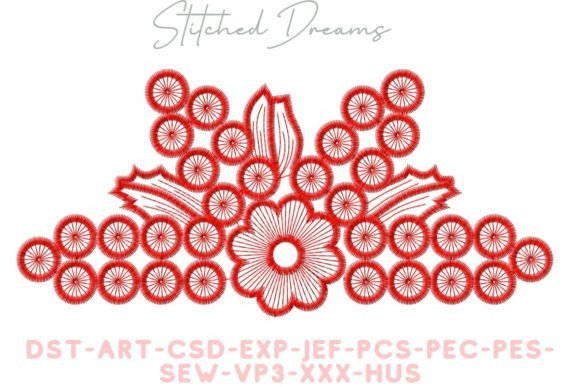
Floral Harmony Circles: A Designer’s Review
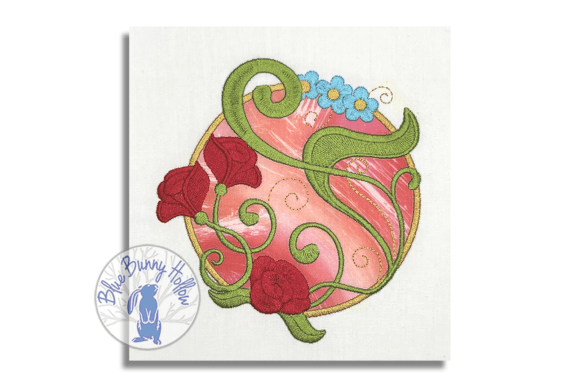
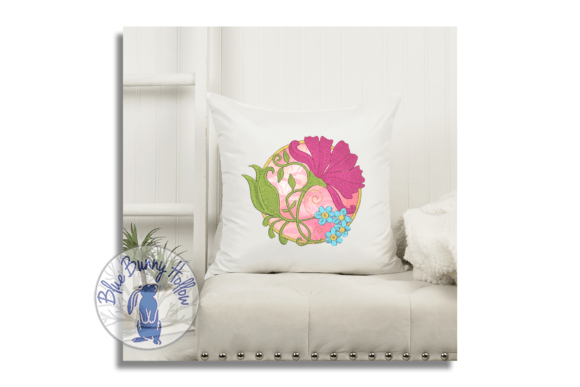
As an embroidery designer who has spent years digitizing patterns for boutique brands and local businesses, I approach every new digital embroidery file with a critical eye. It is not enough for a design to look pretty on a screen; it must perform under the needle, withstand washing, and elevate the brand it represents. Recently, I evaluated Floral Harmony Circles, a captivating digital embroidery design that seamlessly combines the timeless beauty of flowers with the elegance of circular motifs. This exquisite design is perfect for embellishing various textiles, but does it hold up for serious commercial use? Here is my professional assessment for small business owners, apparel decorators, and merch creators.
First Impressions: Visual Personality and Brand Fit
The immediate impact of Floral Harmony Circles is one of balanced elegance. The circular motif suggests unity and completeness, while the floral elements introduce organic softness. For a brand identity, this combination signals professionalism mixed with approachability. It does not scream "loud" or "aggressive"; instead, it whispers "crafted" and "cared for."
This visual personality makes it exceptionally versatile. For a local bakery or florist, the design feels rustic yet refined. For a creative studio or handmade shop, it reinforces the value of artisanal quality. If you are running an Etsy store or a boutique, this design aligns well with customers who appreciate attention to detail. It avoids the trap of looking too generic by integrating specific floral details within a structured geometric frame, creating a handmade product aesthetic that feels premium rather than mass-produced.
Real-World Application in Small Business Merch
The true test of any machine embroidery design is its application across different products. I analyzed how Floral Harmony Circles would function in several common commercial scenarios.
Embroidered Patches and Labels
Patches are a trending asset for small business merch. Because this design is contained within a circular boundary, it is naturally suited for round or square patches. When digitized correctly, the outer circle provides a clean edge that prevents fraying and gives the patch a finished look. For clothing brands, this can serve as a woven-label alternative, adding texture and perceived value to a garment’s hem or sleeve.
Staff Uniforms and Apron Embroidery
For cafes, bakeries, and boutiques, staff presentation is part of the customer experience. Floral Harmony Circles works beautifully on aprons. Placed on the chest pocket or the upper left chest, it acts as a subtle badge of pride. Unlike large back prints, this smaller, intricate design maintains professionalism without overwhelming the uniform. It suggests that the staff member is part of a cohesive, thoughtful team. However, when using it on uniforms, ensure the thread colors contrast sufficiently with the fabric to remain visible from a distance.
Cap Embroidery and Tote Bag Design
Curved surfaces present unique challenges. On caps, the circular nature of the design helps it sit naturally on the front panel. However, the density of the floral elements must be managed to prevent puckering on the stiff cap material. For tote bags, which often feature heavier canvas fabrics, the design can be scaled up slightly. It serves as an excellent central focal point for a tote bag design, appealing to customers who carry reusable bags as fashion statements.
Technical Considerations for Production
While the aesthetic appeal is high, technical execution is where many projects fail. As a designer, I advise caution in specific areas when working with Floral Harmony Circles.
- Stitch Density: Floral details often require high stitch counts to capture petal shapes. If the stitch density is too high, the fabric may pucker, especially on lighter materials like cotton tees. Always request a test run on your specific fabric.
- Fabric Texture: Textured fabrics, such as terry cloth towels or rough linen, can obscure fine details. The intricate parts of the floral motif might get lost. This design performs best on smooth to medium-texture fabrics like twill, poplin, or standard canvas.
- Small Patch Sizes: If you intend to shrink this for a tiny label, verify that the inner floral details do not merge into a solid blob. Simplification may be necessary for sizes under two inches.
- Dark Uniforms: On dark garments, ensure the design includes underlay stitches that provide a base for lighter thread colors. Without proper underlay, the vibrant floral hues may appear dull against black or navy backgrounds.
Furthermore, always check the recommended hoop size before purchasing. Ensure your machine can accommodate the dimensions required for the level of detail present in the design. Using the correct stabilizer is non-negotiable; a cut-away stabilizer is often best for garments that will undergo frequent washing, ensuring the design remains stable and does not distort over time.
Enhancing Brand Identity and Customer Trust
Why invest in a quality embroidery file like this? Because it directly influences brand perception. In the world of custom apparel and branded goods, consistency is key. Floral Harmony Circles offers a consistent visual anchor that can be repeated across business cards (as a printed logo), social media graphics, and physical products.
When a customer receives a tote bag or a shirt with this embroidered emblem, the tactile nature of the threads communicates effort and quality. It builds trust. It tells the buyer that the business cares about the finish of its products. This emotional connection drives repeat business and higher engagement on social media, where customers love to share photos of their aesthetically pleasing purchases. For commercial embroidery projects, this design adds a layer of sophistication that printed graphics often lack.
Practical Designer Notes for Implementation
Before you commit to a large production run, follow these steps to ensure success with Floral Harmony Circles:
- Test in Black and White: Before selecting vibrant threads, stitch the design in black thread on white fabric. This reveals the clarity of the outlines and ensures the floral shapes are distinct from the circular border.
- Check Commercial Licensing: Confirm the license terms included with the digital embroidery file. Ensure you have the right to use it for physical goods sold in your shop.
- Create a Printable Mockup: Use design software to place the image on a photo of your actual product. This helps clients visualize the finished product and approves the placement before stitching begins.
- Review Thread Color Contrast: Select thread palettes that complement your brand colors. Avoid low-contrast combinations unless a subtle, tonal look is specifically desired.
- Inspect Spacing: Ensure there is adequate space between the floral elements and the outer circle to allow for trimming if making patches.
In conclusion, Floral Harmony Circles is a strong contender for businesses seeking to add a touch of elegance to their merchandise. It bridges the gap between classic floral motifs and modern geometric branding. By paying attention to technical details like stabilizer choice and stitch density, you can transform this design asset into a powerful tool for brand recognition. Whether used on an apron, a cap, or a promotional tote, it delivers the polished, professional look that today’s consumers expect from quality handmade and boutique brands.