Bat Head Embroidery: A Designer’s Real-World Review
As a designer who has spent countless hours digitizing and stitching out thousands of motifs, I approach every new machine embroidery design with a mix of curiosity and skepticism. We have all been there: you download a file that looks stunning in the preview window, only to find it turns into a tangled mess of thread on your actual fabric. That is why I took a close look at the Bat Head design before committing it to any client work or personal projects. This isn’t just about whether the image is cute; it is about whether it holds up under the needle.
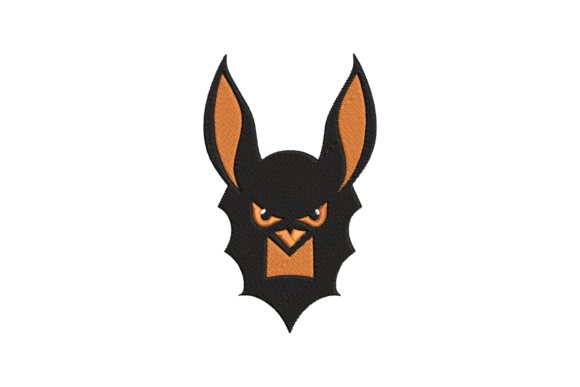
The Bat Head motif falls squarely into the Animals category, but it carries a specific visual weight that makes it versatile beyond typical seasonal uses. My first impression was one of balanced simplicity. The silhouette is distinct, avoiding the overly complex shading that often plagues digital files intended for small hoops. For an embroidery project to succeed, especially in a commercial setting, clarity is king. This design seems to understand that principle, offering a graphic quality that translates well from screen to stitch.
Visual Appeal and Design Integrity
When evaluating a design like this, I look at the line work and the potential for satin stitch versus fill stitch application. The Bat Head appears to rely on clean outlines and strategic filling, which is crucial for maintaining shape integrity. If you are working with a tote bag design or a sturdy canvas, you want stitches that lay flat and do not pucker the material. The spacing in this motif suggests a thoughtful approach to stitch density. It does not look so dense that it will board-up lightweight fabrics, nor so sparse that the background fabric shows through unintentionally on dark garments.
The mood of the piece is charming yet slightly edgy, making it a fantastic candidate for more than just Halloween decor. While it naturally fits into holiday embroidery collections, its graphic nature allows it to work as a year-round emblem for gothic-inspired fashion, nursery decor with a whimsical twist, or even branding for niche boutique items. The elegance mentioned in the product description stems from this versatility; it is not cluttered, allowing the thread colors you choose to do the heavy lifting in terms of style definition.
Real-World Application: From Sweatshirts to Patches
To truly test the viability of the Bat Head, I mentally placed it into several common production scenarios. Let’s consider a custom sweatshirt embroidery job. A client wants a small, left-chest logo for a local coffee shop with a spooky-cool vibe. Here, the design shines. The compact nature of the head shape means it can fit comfortably within a 4x4 inch hoop without losing detail. When stitched on a medium-weight fleece or cotton blend, the contrast between the thread and the fabric creates a professional, high-value look.
Another practical use case is the embroidered patch. Patches are trending heavily among Etsy sellers and craft business owners because they are easy to ship and apply. The Bat Head’s defined edges make it ideal for cutting out as a merrowed or satin-edged patch. Because the shape is recognizable even at smaller scales, it retains its identity when shrunk down for keychains or baby accessories. Speaking of which, baby embroidery requires softness and safety. If you adjust the stitch type to ensure no harsh backing is exposed, this could be a delightful accent on a neutral-colored onesie, provided you use soft, skin-safe threads.
For those creating personalized gift items, such as monogrammed towels or aprons, the Bat Head can serve as a unique accent alongside initials. However, balance is key. You must ensure the scale of the bat complements the font choice. A bold, serif font might overpower the delicate curves of the bat’s ears, while a handwritten script could get lost if the bat is too large. Testing these combinations in a printable mockup before stitching is a non-negotiable step for any serious digital embroidery file user.
Navigating Fabric and Technical Challenges
No design is universal, and the Bat Head is no exception. There are specific situations where you need to proceed with caution. First, consider the fabric texture. If you are stitching on a highly textured towel or a loose-weave linen, the finer details of the bat’s facial features might get lost. In these cases, using a cut-away stabilizer is essential to provide a firm foundation. For stretchy fabrics like jersey knits used in custom apparel, a hoop-and-stick method with proper stabilization will prevent distortion during the stitching process.
Dark fabrics present another challenge. If you are stitching a black bat on a black shirt, you lose all definition. You must rely on texture differences or use a contrasting thread color, such as deep purple or charcoal grey, to create visibility. Always test your thread colors on scrap fabric first. What looks good on your monitor may look muddy on actual cloth. Additionally, check the hoop size requirements. While this design likely fits standard small hoops, always verify the dimensions in your software to ensure it doesn’t exceed your machine’s maximum area, which could lead to truncated designs and wasted materials.
Commercial Value and Brand Consistency
For small shop product creators, consistency is vital. The Bat Head offers a level of professionalism that can enhance brand recognition. If your brand leans towards the whimsical, the mystical, or the modern-gothic, this design asset fits seamlessly. It adds perceived value to the finished product because it looks intentional and well-digitized. Customers associate clean embroidery with quality, and a messy or poorly scaled design can undermine trust.
When listing this on platforms like Etsy, use high-quality photos that show the stitch texture. Close-ups of the satin edges and fill areas help buyers appreciate the craftsmanship. Remember, you are selling not just an item, but an experience. The charm of the Bat Head lies in its ability to transform a plain item into something unique. Whether it is a commercial embroidery run for a local theater group or a single handmade product for a friend, the design’s adaptability is its strongest selling point.
Practical Designer Notes for Success
- Test on Scraps: Never skip the test stitch. Use the same fabric and stabilizer combination you plan to use for the final product.
- Check Licensing: Before selling items made with this digital embroidery file, confirm the license terms. Some designers allow commercial use for physical items but restrict the resale of the file itself.
- Adjust Density: If you find the design too stiff on lightweight fabric, consider reducing the stitch density slightly in your editing software, if available.
- Contrast is Key: Ensure your thread color contrasts sufficiently with the fabric, especially for detailed areas like the eyes or ears.
- Stabilizer Selection: Match your stabilizer to your fabric. Tear-away for stable woven fabrics, cut-away for knits, and wash-away for delicate or sheer materials.
In conclusion, the Bat Head is a solid addition to any designer’s library. It avoids the pitfalls of over-complication and offers a clean, stylish aesthetic that works across various Embroidery applications. By respecting the technical requirements of your machine and fabric, you can leverage this design to create products that are not only visually appealing but also durable and professionally finished. Whether you are a hobbyist looking to spice up your home decor or an Etsy seller expanding your autumn collection, this motif deserves a spot in your rotation. Just remember: preparation and testing are the bridges between a good digital file and a great stitched reality.