African Flag Embroidery Design Review
As an embroidery designer who spends countless hours digitizing and testing files for commercial use, I am always cautious about what I add to my library. When I came across the African Flag machine embroidery design on Creative Fabrica, I didn't just look at the thumbnail; I evaluated it with a critical eye toward real-world application. For those of us running small businesses, selling on Etsy, or creating custom apparel, a design is only as good as its stitch-out quality and versatility. This review breaks down my experience assessing this digital embroidery file, focusing on its potential for handmade products and commercial viability.
First Impressions: Visual Mood and Stitching Personality
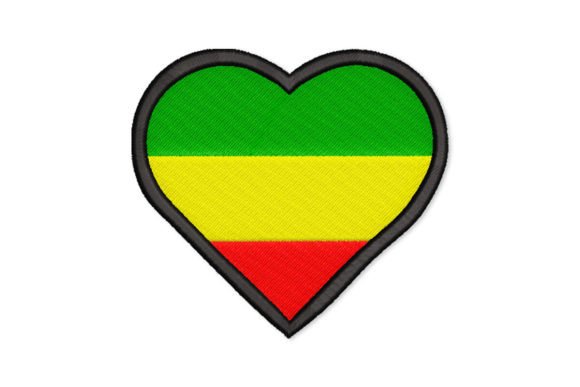
The first thing that strikes you about the African Flag design is its bold visual identity. Representing the flag of one of the countries in Africa, the design relies heavily on distinctive colors and strong geometric shapes. In the preview images, the contrast is sharp, which is essential for flag designs where clarity is paramount. The stitching personality appears clean and structured, avoiding unnecessary complexity that can often lead to thread breaks or puckering in smaller hoop sizes.
From a decorative appeal standpoint, this piece carries a sense of pride and cultural heritage. It is not merely a graphic; it is a statement. For embroidery designers, this means the file must handle color transitions smoothly. The initial assessment suggests a balanced use of fill stitches for the larger color blocks and likely satin or running stitches for borders or details, ensuring the final product looks professional rather than cluttered.
Real-World Application: From Tote Bags to Custom Apparel
When considering whether to download a new asset, I always ask: "Where will this live?" The African Flag embroidery file is surprisingly versatile. Here is how I envision it performing in various real-case scenarios:
- Custom Apparel and Sweatshirts: This design is ideal for sweatshirt embroidery. The bold colors stand out beautifully against neutral fabrics like heather gray, black, or white cotton blends. It works well for community events, cultural celebrations, or personalized gifts that celebrate heritage.
- Tote Bag Design: Canvas tote bags are a staple for craft fair products. The sturdy nature of canvas supports the stitch density of a flag design without excessive puckering, provided the right stabilizer is used. This makes for a high-value handmade product that appeals to eco-conscious buyers.
- Embroidered Patches: Flags are classic choices for patches. If the file size allows for smaller hoops, this could be stitched on twill or felt to create iron-on or sew-on patches. These are excellent for adding to caps, jackets, or backpacks, increasing the perceived value of basic items.
- Home Decor and Kitchen Towels: Imagine this design on a linen kitchen towel or a pillow cover. It adds a touch of global flair to nursery decor or living spaces. However, for items like towels that undergo frequent washing, the stitch integrity must be robust.
Technical Considerations for Professional Results
While the aesthetic is appealing, the technical execution is what determines if a design is worth your time and thread. Here are the practical aspects I considered when reviewing the African Flag for commercial embroidery projects.
Fabric and Stabilizer Choices
Flag designs often feature large areas of solid color, which means fill stitches are prominent. On stretchy fabric, such as jersey knits for t-shirts, using a cut-away stabilizer is non-negotiable to prevent distortion. For woven fabrics like cotton or linen used in aprons or tote bags, a tear-away stabilizer might suffice, but I always recommend testing on scrap fabric first. Dark fabric presents a unique challenge; if the design includes lighter colors, you must ensure the underlay is sufficient to prevent the background fabric from showing through the thread colors.
Hoop Size and Detail Level
One crucial factor is the hoop size. Flag designs need enough space to breathe. If you attempt to shrink this design too much for a small hoop, the tiny details may become lost, and the stitch density could become too high, leading to needle breaks or fabric perforation. Always check the product details on the Creative Fabrica page to confirm the available sizes. If you are working on curved cap surfaces, ensure the design fits within the cap frame limits and that the digitizing accounts for the curvature to avoid pulling.
Thread Color Contrast
The beauty of the African Flag lies in its distinctive colors. To achieve the best visual appeal, high-quality rayon or polyester threads are recommended. Rayon offers a beautiful sheen that enhances the celebratory mood of the flag, while polyester offers durability for items that will be washed frequently, such as baby blankets or kitchen towels. Always compare light and dark fabric mockups before finalizing your product line to ensure the thread colors pop appropriately against different backgrounds.
Enhancing Product Value and Brand Consistency
For Etsy sellers and boutique merchandise creators, the choice of design assets directly impacts buyer trust. A clean, well-digitized flag design signals professionalism. When customers see precise stitching with no loose threads or gaps, they perceive higher quality. This design can significantly boost the giftability of your items. A personalized gift featuring a national flag is emotionally resonant, often leading to higher customer engagement and social sharing.
Furthermore, consistent use of high-quality design assets helps build brand consistency. If your shop specializes in cultural or heritage-themed items, the African Flag fits seamlessly into a curated collection. It allows you to create printable mockups that look authentic, helping customers visualize the finished product before purchase. This transparency reduces return rates and increases satisfaction.
Practical Steps Before You Stitch
Before you commit to a large production run or list this item in your shop, follow these essential steps:
- Verify File Details: Check the Creative Fabrica product page for specific file formats (such as PES, DST, JEF, etc.) to ensure compatibility with your embroidery machine.
- Review Licensing Terms: Confirm the license allows for commercial embroidery. Most Creative Fabrica subscriptions include commercial rights, but it is vital to read the specific terms for peace of mind.
- Test Stitch-Out: Always stitch a test sample on the same fabric you intend to sell. Inspect small details after stitching to ensure clarity.
- Check Stitch Density: Look for areas that might be too dense. If necessary, adjust your machine tension or use a topping stabilizer for textured fabrics like towels or fleece.
Final Verdict
The African Flag embroidery design is a strong contender for designers looking to expand their catalog with meaningful, culturally significant motifs. It balances aesthetic appeal with practical usability across a range of products, from custom apparel to home decor. While success depends on proper technique—such as choosing the right stabilizer and thread—the design itself provides a solid foundation for high-quality handmade products. For creative entrepreneurs aiming to offer unique, personalized gifts, this file is a worthwhile addition to your digital library, provided you perform the necessary tests to ensure it meets your specific quality standards.