Reviewing When in Doubt Pray It Out for Craft Fairs
As an embroidery designer who has spent countless weekends behind a booth table, I know that the difference between a browsing customer and a buying customer often comes down to immediate emotional connection. When I first pulled up the When in Doubt Pray It out design file on my screen, I was looking for more than just aesthetic appeal. I was evaluating its potential as a high-converting craft fair product. In the world of handmade goods, especially within the Religion and faith-based niche, clarity and sentiment are paramount. This design does not just offer decorative value; it offers a moment of reassurance, which is a powerful driver for sales.
First Impressions: A Beacon of Hope in Stitch Form
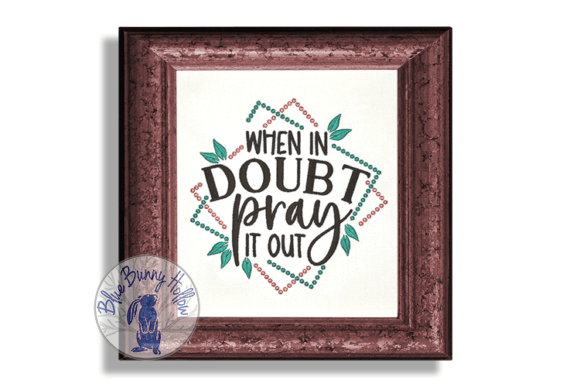
The title itself, When in Doubt Pray It out, suggests a tone that is both gentle and firm. It is not overly ornate or intimidatingly formal. Instead, it feels approachable, modern, and deeply comforting. Visually, I imagine this design leaning towards a clean, readable typography style, possibly paired with subtle decorative elements like a cross, doves, or floral accents, though the text remains the hero. For a handmade product intended for a general audience, this balance is crucial. It avoids being too preachy while still making a bold statement of faith. It fits seamlessly into the current trend of modern farmhouse decor and minimalist spiritual wear, making it versatile for various demographics.
Strategic Product Placement for Maximum Sales
When preparing my display for a weekend market, I am always strategic about where I place specific designs. Not every machine embroidery design works on every item. Here is how I see When in Doubt Pray It out performing across different categories:
- Tote Bags and Market Bags: This is arguably the strongest candidate for this design. A canvas tote serves as a walking billboard. The phrase is short enough to be read quickly by passersby, yet meaningful enough to spark conversation. As a tote bag design, it appeals to shoppers looking for functional faith items.
- Aprons and Kitchen Textiles: Faith often intersects with hospitality. An apron embroidery featuring this phrase creates a warm, welcoming vibe in the kitchen. Similarly, tea towel embroidery allows for a smaller, more delicate placement that feels like a sweet gift for a hostess or a new homeowner.
- Caps and Headwear: Embroidered caps are perennial bestsellers. However, curved surfaces require careful digitizing. If the design is compact, it works beautifully on the front panel of a dad hat or trucker cap, offering a personal reminder to the wearer.
- Patches and Pouches: An embroidered patch allows customers to add this message to existing jackets or bags, increasing the perceived value without requiring them to buy a whole new garment. Small fabric pouches with this design make excellent impulse buys at the checkout counter.
Production Practicality and Design Integrity
From a production standpoint, efficiency is key for small shop owners. When evaluating a digital embroidery file, I look for repeatability. Can I stitch this out ten times in a row without constant thread breaks or trimming issues? When in Doubt Pray It out appears to be designed with commercial viability in mind. The lettering seems substantial enough to hold up well, avoiding the pitfalls of overly thin fonts that can disappear or look messy on textured fabrics.
However, there are critical technical considerations. Stitch density must be balanced. If the design is too dense, it can cause puckering, especially on lighter fabrics like tea towels. If it is too loose, the backing fabric might show through, particularly if you are using dark thread colors on light fabric or vice versa. I always recommend testing the design on scrap fabric identical to your final product. Check the spacing between letters to ensure no bridging threads create a tangled mess during production.
Navigating Fabric and Hoop Constraints
The choice of hoop size will dictate where you can place this design. For larger items like pillow covers or tote bags, a 5x7 or 6x10 hoop might be ideal to allow for a larger, more impactful statement. For caps or small pouches, a 4x4 hoop requires the design to be scaled down significantly. This is where caution is needed. Small lettering can lose clarity if reduced too much. Always inspect the design at the intended size on your software before hitting stitch.
Fabric texture also plays a massive role. Terry cloth towels have loops that can swallow small stitches. For these items, ensure the design has sufficient underlay and density to sit on top of the fabric texture rather than sinking into it. Using the right stabilizer is non-negotiable. A cut-away stabilizer is often best for garments that will be washed frequently, ensuring the design remains crisp and does not distort over time.
Visual Appeal and Brand Consistency
In a crowded craft fair aisle, visual appeal stops the scroll—or in this case, the walk. When in Doubt Pray It out has a calming aesthetic that can serve as a visual anchor in a busy booth. It conveys a sense of peace, which can subconsciously draw in customers who are feeling stressed or overwhelmed. This emotional resonance increases buyer engagement.
For Etsy seller accounts and online shops, this design photographs exceptionally well. It lends itself to lifestyle shots: a tote bag resting on a wooden bench, an apron tied around a waist in a sunlit kitchen, or a pillow on a cozy sofa. These printable mockup scenarios help customers visualize the finished product in their own lives. Consistency in using this design across multiple product types strengthens brand identity, positioning your shop as a go-to source for thoughtful, faith-inspired home goods and accessories.
Commercial Licensing and Final Designer Notes
Before you begin batch production for your next market, there are administrative steps that protect your business. Always confirm the commercial licensing terms associated with the design assets you purchase. While many designers allow for physical finished goods sales, restrictions may apply to digital redistribution or large-scale manufacturing. Ensure you are compliant to avoid legal issues down the line.
Additionally, consider the color palette. While black thread on white canvas is classic and high-contrast, experimenting with soft pastels or earth tones can align the design with seasonal trends. Create at least one real mockup to compare fabric colors and thread sheens in natural light. Sometimes, a navy blue thread reads more softly and premium than stark black on certain linens.
Ultimately, When in Doubt Pray It out is more than just a pattern; it is a tool for connection. It bridges the gap between traditional Embroidery craftsmanship and modern spiritual expression. By paying attention to stitch quality, fabric choice, and strategic product placement, you can transform this digital file into a standout item in your inventory. Whether you are selling at a local church bazaar, a high-end boutique, or online, this design offers the versatility and emotional depth that today’s conscious consumers are seeking. Treat it with the care it deserves in production, and it will likely become a reliable staple in your small shop product lineup.