Review: Little Helper Chef Kids Kitchen Apron
As an embroidery designer who has spent years digitizing for small businesses, I approach every new machine embroidery design with a critical eye. It is not just about whether the artwork looks cute on a screen; it is about how that design translates into thread, how it holds up on fabric, and ultimately, how it serves the brand identity of the business using it. Recently, I reviewed the Little Helper Chef Kids Kitchen Apron embroidery design, and I want to share my professional assessment for fellow decorators, Etsy sellers, and boutique owners looking to expand their product lines.
First Impressions: Visual Personality and Brand Fit
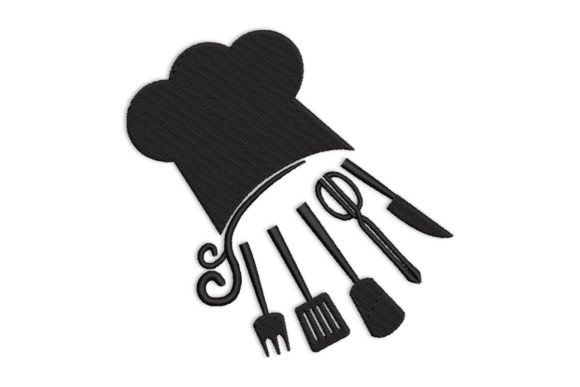
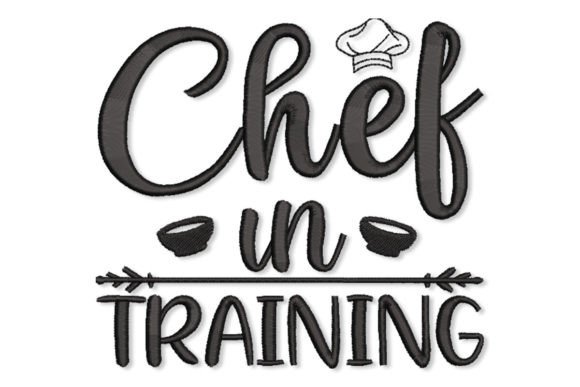
The first thing that strikes you about the Little Helper Chef Kids Kitchen Apron is its inherent charm. The description highlights a charming chef’s hat and utensils, which immediately signals a playful yet professional aesthetic. For a design intended for the Kitchen category, this balance is crucial. It does not feel overly childish to the point of being dismissible by adults, nor is it so sterile that it loses the warmth associated with homemade goods and family cooking.
From a branding perspective, this design feels friendly, handmade, and inviting. It fits perfectly within the visual language of bakeries, local cafés, family-owned restaurants, and creative studios that offer culinary workshops. If your brand identity relies on approachability and warmth, this design asset aligns well. However, if your brand is ultra-modern, minimalist, or industrial, you might find the playful flair slightly mismatched unless used as a deliberate contrast element in a children’s line.
Real-World Application for Small Business Merch
The true test of any digital embroidery file is its versatility. Can it work across different products? Here is how I see the Little Helper Chef Kids Kitchen Apron performing in real commercial embroidery projects:
- Custom Apparel and Uniforms: This is the most obvious application. Embroidering this design on staff aprons creates an immediate sense of team unity and professionalism. For a bakery or café, having baristas or bakers wear aprons with this motif reinforces the theme of culinary creativity.
- Embroidered Patches: One of the most profitable avenues for small business merch is the creation of custom patches. This design, with its defined shapes of hats and utensils, is ideal for patch production. You can sell these as add-ons for customers to iron or sew onto their own jackets, bags, or hats, creating a recurring revenue stream.
- Tote Bag Design: Canvas tote bags are a staple for grocery runs and market visits. Placing this design on a high-quality canvas tote transforms a simple bag into a branded statement piece. It appeals to parents who want to involve their kids in shopping or cooking, making it a strong seller for family-oriented brands.
- Cap Embroidery: While possible, cap embroidery requires careful placement. The curved surface of a baseball cap can distort detailed designs. If you choose to use this on caps, ensure the design is scaled appropriately for the front panel or consider using it on the side for a subtle accent.
- Customer Gifts and Event Merch: For businesses hosting cooking classes or family events, this design makes for an excellent commemorative item. It adds perceived value to ticket packages and serves as a lasting reminder of the experience.
Technical Considerations and Stitch Density
While the aesthetic appeal is strong, we must discuss the technical execution. As a designer, I always advise checking the stitch density before running a full production batch. Designs featuring utensils and chef hats often contain small details and potential satin stitches that can pull on lightweight fabrics.
If you are embroidering on thin apron materials or delicate cottons, you must use the proper stabilizer. A cut-away stabilizer is often recommended for items that will undergo frequent washing, such as kitchen aprons, to prevent the design from puckering over time. Additionally, pay close attention to the thread colors. The contrast between the chef’s hat (typically white or cream) and the background fabric is vital. If you are embroidering on dark uniforms, you may need to adjust the underlay or add a backing layer to ensure the white threads pop without showing the dark fabric underneath.
Another critical factor is the hoop size. Ensure that the design fits comfortably within your standard hoop dimensions without requiring excessive re-hooping, which can lead to misalignment. Always check the specific file details provided by the creator to confirm compatibility with your machine.
Where to Use Caution
Not every application is suitable for every design. Here are areas where you should exercise caution with the Little Helper Chef Kids Kitchen Apron:
- Tiny Lettering: If the design includes any text elements, be wary of scaling it down too small. Small lettering can become illegible when embroidered, especially on textured fabrics. Always stitch out a test sample at your intended size.
- High-Stress Areas: Avoid placing the design on areas of the apron or garment that experience high friction or stretching, such as the direct center of a knee on kids' pants or the armpit area of shirts. This can cause thread breakage.
- Dark Uniforms with Light Thread: As mentioned earlier, light thread on dark fabric requires precision. If your digitizing skills are novice, stick to lighter fabric colors to ensure a clean finished product.
Enhancing Brand Identity and Customer Trust
Using a cohesive design like the Little Helper Chef Kids Kitchen Apron contributes significantly to brand recognition. When customers see consistent design assets across your aprons, packaging, and social media printable mockup images, it builds trust. It signals that you pay attention to detail and care about presentation.
For handmade product sellers on platforms like Etsy, professional embroidery elevates the perceived value of the item. A plain apron is a commodity; an apron with a charming, well-executed embroidered chef motif is a gift. This differentiation allows you to command higher price points and fosters deeper buyer engagement. Customers are more likely to share photos of their purchases on social media if the branding is visually appealing, providing you with free marketing.
Practical Designer Notes for Production
Before you launch this design into your commercial workflow, follow these steps to ensure quality control:
- Test in Black and White: Before committing to colored threads, stitch the design in black thread on white fabric. This helps you identify any spacing issues or dense areas that might cause puckering without the distraction of color.
- Check Scalability: Verify if the design works at smaller patch sizes. If you plan to sell mini-patches, ensure the details of the utensils do not merge into a blob of thread.
- Fabric Testing: Always test on the actual fabric you intend to use. Fabric texture plays a huge role in the final look. A smooth cotton behaves differently than a textured linen or a synthetic blend.
- Mockup Creation: Create a high-quality printable mockup or digital composite for client approval. This manages expectations and reduces the likelihood of returns due to misunderstanding the size or look of the embroidery.
- Licensing Verification: Confirm the commercial licensing terms. Ensure that the embroidery file purchase grants you the right to use the design on physical goods for sale. Never assume; always read the license agreement.
In conclusion, the Little Helper Chef Kids Kitchen Apron is a versatile and charming addition to any embroidery designer’s library. It offers significant potential for small business merch, from staff uniforms to customer gifts. By paying attention to technical details like stabilizer choice and stitch density, you can leverage this design to enhance your brand identity and deliver high-quality, professional products that resonate with your audience.