Review: Football Number 3 for Custom Sports Gear
As an embroidery designer who spends countless hours digitizing and testing files, I am always on the lookout for designs that balance aesthetic appeal with technical reliability. When I came across Football Number 3 on Creative Fabrica, my immediate thought was not just about how it looked, but how it would perform under the needle in a real-world production environment. For those of us running small businesses or selling handmade goods on platforms like Etsy, a design must be more than just pretty; it must be durable, efficient, and versatile.
This review explores the potential of this specific machine embroidery design from the perspective of a creator preparing for actual customer orders. Whether you are decorating sweatshirts for a local youth league or creating personalized gifts for sports enthusiasts, understanding the nuances of this file is crucial for delivering a high-quality finished product.
First Impressions and Visual Appeal
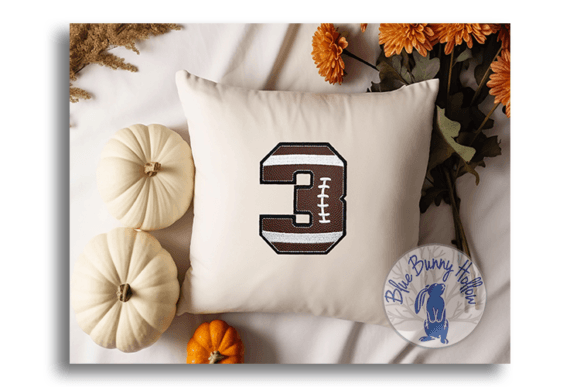
The visual mood of Football Number 3 is distinctly sporty and bold. The design description highlights its craft using faux football vinyl, which suggests an appliqué style that mimics the texture and look of traditional athletic jerseys. This is a significant advantage for embroidery artists because it allows for a professional, store-bought appearance without the complexity of sewing actual leather or vinyl materials onto garments.
The number itself is large and legible, making it an ideal focal point for custom apparel. The stitching personality appears to rely heavily on clean lines and solid fills, which are essential for maintaining clarity from a distance. For Sports themed projects, visibility is key. A muddy or overly complex design often gets lost on textured fabrics like fleece or terry cloth, but this design’s straightforward geometry ensures it remains crisp and recognizable.
Practical Applications for Handmade Products
When considering where to apply this embroidery file, the possibilities extend far beyond standard t-shirts. Here is how I envision using this design in a commercial setting:
- Custom Apparel: This is the most obvious use case. Hoodies, crewneck sweatshirts, and performance jerseys benefit greatly from the appliqué technique, as it reduces bulk compared to dense satin stitching.
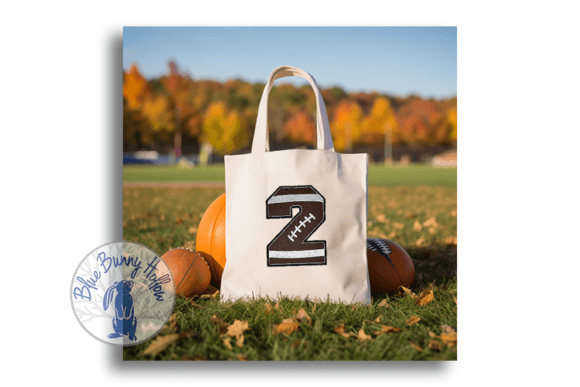
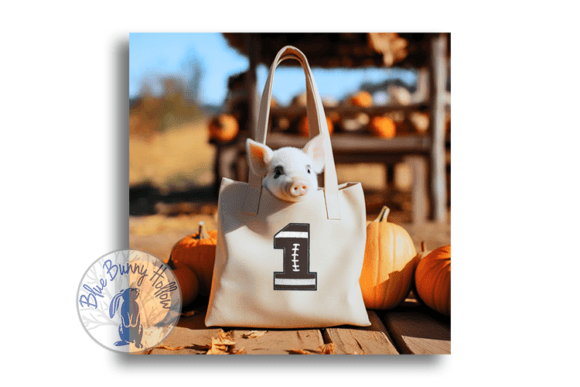
- Tote Bag Design: A canvas tote featuring a favorite player’s number makes for a unique back-to-school or gym bag. The sturdy nature of canvas supports the weight of the stitches well.
- Embroidered Patch: If you sell patches, this design can be stitched out on twill or felt, cut with a hot knife, and backed with adhesive for iron-on application.
- Nursery Decor: For baby items, such as a blanket or onesie, using softer thread colors can transform this aggressive sports motif into a cute, personalized gift for new parents.
- Kitchen Towels and Aprons: Personalizing household items for the "coach" of the family adds a thoughtful touch to holiday gifts.
For Etsy sellers and boutique owners, the versatility of this design allows for consistent branding across multiple product lines. You can offer a matching set of a hat, shirt, and bag, all featuring the same cohesive number design.
Technical Considerations for Embroiderers
While the design looks promising, successful execution depends on careful technical preparation. As with any applique design, the layering process is critical. You must ensure that your tack-down stitches are secure before trimming the fabric, and your cover stitches (likely satin or wide zig-zag) must completely encapsulate the raw edges of the appliqué material.
Fabric and Stabilizer Selection
The choice of fabric significantly impacts the outcome. For stretchy fabrics like jersey knits used in athletic wear, a cut-away stabilizer is non-negotiable to prevent puckering. If you are working with dark fabric, pay close attention to your thread colors. High contrast is vital for the number to pop. However, if you are using a light-colored appliqué fabric on a dark garment, ensure your tack-down stitches are also visible or neatly hidden beneath the final border.
For textured fabrics like towels or fleece, consider using a water-soluble topping. This prevents the stitches from sinking into the pile, ensuring that the satin stitch borders remain smooth and defined. Without a topping, the texture of the base fabric can distort the clean lines of the number.
Hoop Size and Placement
Before purchasing or downloading, always confirm the hoop size requirements. While specific dimensions are not listed in the brief description, number designs typically require a medium to large hoop to maintain proportion. If you are working with a smaller hoop, check if the design can be resized without compromising stitch density. Resizing too small can cause thread breaks and poor coverage, while resizing too large may expose the bobbin thread or create gaps in the fill.
Curved surfaces, such as caps, present another challenge. If you plan to use this on a baseball cap, ensure you have the proper cap frame and stabilizer setup. The curvature can distort the number if not hooped tightly and correctly. Always run a test stitch on a scrap piece of the same material to check for registration issues.
Enhancing Product Value and Buyer Trust
Using a high-quality Creative Fabrica embroidery asset like Football Number 3 can elevate the perceived value of your handmade products. Customers associate clean, professional-looking embroidery with higher quality. A well-executed appliqué number looks premium and durable, which encourages repeat business and positive reviews.
Furthermore, this design aids in product photography. The bold shape creates strong visual interest in images, making your listings stand out in crowded marketplaces. When you present a printable mockup or a photo of the finished item, the clarity of the design helps customers visualize exactly what they are buying. This transparency builds trust and reduces the likelihood of returns due to misunderstood expectations.
Final Recommendations for Commercial Use
Before integrating Football Number 3 into your product lineup, take these practical steps:
- Check Licensing: Always review the license terms on the Creative Fabrica product page. Ensure that commercial use is permitted for the specific type of products you intend to sell.
- Test Stitch: Never skip the test stitch. Run the design on scrap fabric identical to your final product to check thread tension, color contrast, and stitch density.
- Inspect Details: After stitching, inspect the edges of the appliqué. Ensure there are no loose threads or exposed raw edges that could fray after washing.
- Verify File Formats: Confirm that the download includes the file format compatible with your embroidery machine. Common formats include PES, DST, and JEF, but this varies by seller.
In conclusion, Football Number 3 offers a stylish and practical solution for sports-themed embroidery projects. Its appliqué nature makes it suitable for a wide range of fabrics and products, from sweatshirt embroidery to decorative patches. By paying attention to stabilizer choice, thread contrast, and proper hooping techniques, you can produce a finished product that delights customers and enhances your brand’s reputation for quality. For creative entrepreneurs looking to expand their sports collection, this design is certainly worth considering for your next batch of custom orders.