Review: Christmas Dancing Skeletons Design
As an embroidery designer who has spent years helping small businesses translate their brand identity into thread, I approach every new machine embroidery design with a critical eye. It is not just about whether a motif looks cute on a screen; it is about how it performs on fabric, how it holds up in the wash, and whether it adds tangible value to a finished product. Recently, I evaluated the Christmas Dancing Skeletons design for potential use in commercial projects. This review focuses on its viability for small business merch, branded patches, and custom apparel.
First Impressions and Visual Personality
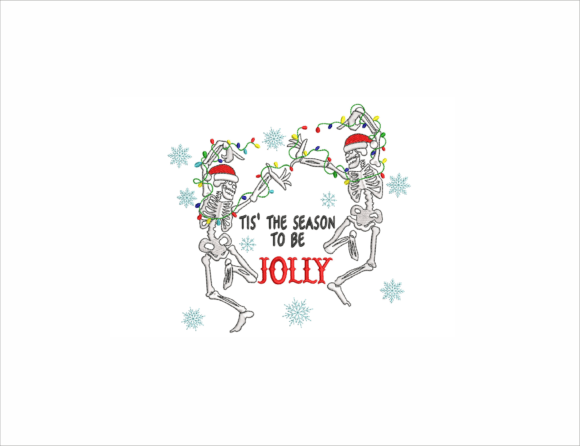
The initial appeal of Christmas Dancing Skeletons lies in its playful contradiction. Combining the macabre aesthetic of skeletons with the jolly spirit of Christmas creates a humorous, eye-catching contrast. The description highlights it as a "Funny Xmas design," and visually, it delivers on that promise. For brands that lean into whimsical, quirky, or alternative holiday marketing, this design offers a distinct personality. It does not feel traditional or overly elegant; instead, it feels modern, bold, and deeply engaging for a specific demographic.
When assessing the visual weight, the dancing poses suggest movement and energy. This is crucial for brand identity. A static logo can sometimes feel stiff on soft goods, but a dynamic figure like a dancing skeleton invites the viewer to look closer. However, designers must ensure that the humor does not undermine professionalism. For a boutique bakery or a creative studio, this level of playfulness can enhance customer engagement. For a corporate law firm, it might be too informal. Context is everything.
Real-World Applications for Small Business Merch
The true test of any digital embroidery file is its versatility across different products. Here is how I envision Christmas Dancing Skeletons performing in real business scenarios:
- Embroidered Patches: This is perhaps the strongest application. Patches allow for controlled production and easy inventory management. A dancing skeleton patch can be sewn onto denim jackets, tote bags, or beanies post-production. It acts as a versatile design asset that customers can buy separately or as an add-on to existing items.
- Staff Uniforms and Aprons: For cafes, bars, or retail shops hosting holiday events, staff apron embroidery featuring this design can create a fun, cohesive team look. It breaks the monotony of standard uniforms and sparks conversation with customers. However, placement is key. A chest-left position works best for visibility without interfering with daily tasks.
- Cap Embroidery: Using this design on the front panel of a dad hat or trucker cap requires careful scaling. The curved surface of a cap distorts wide designs. If the skeleton’s limbs are too spread out, the design may wrap awkwardly around the curve. I recommend testing a narrower version or placing it slightly off-center.
- Tote Bag Design: Canvas totes are popular holiday gifts. A large-scale version of this design can serve as the main graphic element. The high contrast of white or bone-colored thread against natural canvas creates a rustic, handmade appeal that resonates with eco-conscious buyers.
Technical Considerations and Production Challenges
While the concept is strong, the execution requires technical precision. As a designer, I always advise checking the stitch density before running a full production batch. Skeletons often involve thin lines for bones. If the stitch density is too low, the fabric may show through, making the design look sparse. If it is too high, the fabric may pucker, especially on lighter materials like t-shirts or pillowcases.
Fabric texture plays a significant role here. On textured fabrics like fleece or terrycloth, fine details can get lost. I recommend using a cut-away stabilizer for stretchy fabrics to maintain shape integrity. For woven fabrics like denim or canvas, a tear-away stabilizer might suffice, but testing is non-negotiable. Always run a test stitch-out on the actual fabric you intend to use. Do not rely solely on the printable mockup provided by the seller, as digital representations rarely capture the true texture and pull of thread.
Another critical factor is color contrast. The description mentions decorating clothes and gifts, but it does not specify thread colors. For a skeleton design to pop, you need high contrast. White thread on black fabric is classic, but consider metallic gold or silver threads for a premium holiday touch. Avoid low-contrast combinations, such as light gray on white, which will render the design invisible from a distance.
Brand Identity and Customer Trust
Using unique designs like Christmas Dancing Skeletons helps small businesses stand out in a saturated market. When customers see high-quality custom apparel with well-executed embroidery, it signals attention to detail. This builds trust. A sloppy embroidery job with loose threads or misaligned hoops can damage brand identity, whereas a clean, crisp design elevates perceived value.
For Etsy sellers and crafters, offering limited-edition holiday merch with this design can drive urgency and sales. It positions the brand as current and culturally aware. However, consistency matters. If your brand is typically minimalist and serious, introducing a goofy skeleton design might confuse your audience. Ensure that this design aligns with your overall visual language. It should feel like a natural extension of your brand, not an outlier.
Practical Designer Notes for Commercial Use
Before integrating this design into your commercial embroidery workflow, follow these steps:
- Verify Licensing: Confirm that the embroidery file comes with a commercial license. Many free or low-cost designs are for personal use only. Using them for profit can lead to legal issues. Check the terms explicitly.
- Check Hoop Size Compatibility: The description does not list specific hoop sizes. Ensure the design fits within your machine’s maximum hoop area. If you need to resize it significantly, be aware that this can distort stitch angles and density.
- Test at Small Sizes: If you plan to use this as a small logo accent on a shirt pocket or collar, test it at that size. Thin bone structures may merge or break when scaled down. You may need to simplify the design or increase spacing for smaller applications.
- Review Thread Colors: Create a color chart for your production team. Specify exact thread brands and numbers to ensure consistency across multiple machines or production runs.
- Inspect Spacing and Jump Stitches: Open the file in your embroidery software to check for excessive jump stitches. Trim them cleanly or use software tools to minimize them, reducing production time and finishing work.
Final Verdict
The Christmas Dancing Skeletons design is a strong contender for businesses looking to add humor and personality to their holiday lineup. It works exceptionally well for patches, tote bags, and casual apparel. However, success depends on technical execution. Pay close attention to stabilizer choice, thread contrast, and sizing. By treating this design as a strategic business asset rather than just a decorative element, you can create memorable merchandise that drives sales and strengthens brand loyalty. Always prioritize quality control and verify all technical specs before committing to large-scale production.