Candy Cane Redwork: A Designer’s Craft Fair Review
As an embroidery designer who has spent countless hours behind a sewing machine and even more time standing behind craft fair tables, I have learned that not all designs are created equal when it comes to retail success. Some designs are beautiful on screen but vanish in a busy booth. Others are so complex they eat up production time, killing your profit margin. Today, I am putting Candy Cane Redwork under the microscope. This isn’t just about aesthetics; it is about viability for the handmade market.
The product description promises the simplicity of Christmases past, positioning this piece as a nostalgic symbol capable of triggering wonderful memories. For a seller, nostalgia is a powerful sales tool. But the real hook here is the claim that it is super quick to stitch out. In the high-pressure environment of last-minute holiday production, speed is currency. Let’s break down how this design performs in the real world of boutique making and weekend markets.
First Impressions: Nostalgia Meets Efficiency
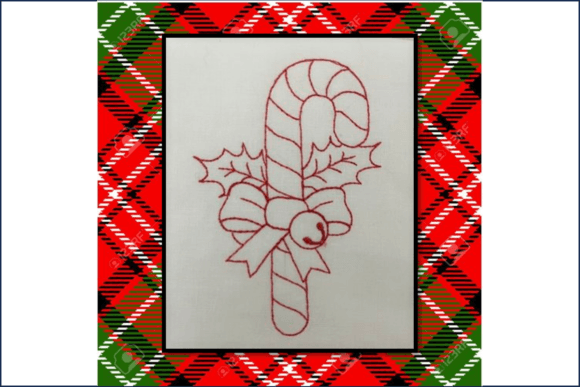
When I first loaded the Candy Cane Redwork file into my editing software, the immediate impression was one of clean, classic charm. Redwork is a traditional style that relies on single-color stitching, usually red, on white or natural fabric. It screams farmhouse, rustic, and timeless. Unlike modern, multi-colored digital art, this design feels grounded. It does not try to be funny or overly trendy. Instead, it leans into the elegant minimalism that many buyers are seeking as an antidote to commercial clutter.
For a craft fair product, this visual clarity is vital. Customers walking past your booth have seconds to decide if they will stop. A bold, high-contrast red design on a cream tote bag or apron catches the eye from ten feet away. It is festive without being loud. This makes it an excellent choice for sellers who want to maintain a sophisticated brand identity while still participating in the Christmas rush.
Product Versatility and Market Fit
The true test of any machine embroidery design is its versatility. Can it survive on different substrates? Does it look good small and large? Here is how I see Candy Cane Redwork performing across various handmade products:
- Tote Bags and Market Bags: This is arguably the best home for this design. A large canvas tote with a centered red candy cane motif is a staple tote bag design. It is practical, giftable, and photographs beautifully for your Etsy seller listings.
- Tea Towels and Aprons: Kitchen textiles are huge during the holidays. The tea towel embroidery potential here is strong because redwork traditionally looks stunning on linen or cotton. An apron embroidery project using this design adds a touch of vintage flair that appeals to home cooks and bakers.
- Embroidered Patches: If you are looking to create low-cost impulse buys, consider turning this into an embroidered patch. Because the design is likely simple with open spaces, it cuts cleanly and can be ironed onto jackets, hats, or denim.
- Pillow Covers: A monochromatic pillow cover with this motif serves as a subtle seasonal decor item that doesn’t need to be thrown out on December 26th. It bridges the gap between holiday specific and winter cozy.
For small shop product lines, consistency is key. Using one strong motif across multiple items creates a cohesive booth display. When customers see the same red candy cane on a pouch, a towel, and a bag, it reinforces brand recognition and encourages bundle purchases.
Production Reality: Speed and Stitch Density
The description notes that this design is super quick to stitch out, keeping last-minute rushes in mind. As a designer, I appreciate this honesty. In commercial embroidery, time is money. A design that stitches quickly allows you to produce higher volumes without burning out. However, "quick" often implies lower stitch density. While this is great for speed, you must be mindful of the fabric.
If you are stitching on thin cotton or lightweight linen, a low-density redwork design might pucker if not stabilized correctly. Conversely, if the design is too sparse on thick terry cloth towels, it might get lost in the texture. You need to balance the speed benefit with quality control. Always check the stitch density in your software. If it looks too light, consider adding a satin border or backing it with a heavier cut-away stabilizer to ensure the finished product feels premium, not flimsy.
Navigating Fabric and Hoop Constraints
One of the challenges with redwork is contrast. It relies entirely on the interplay between the thread and the background. This means your choice of thread colors and fabric is critical. Classic red on white is safe, but have you considered deep burgundy on oatmeal linen? Or bright crimson on navy blue? Testing these combinations is essential before you commit to batch production.
Also, consider the hoop size. If this design is intended to be a focal point, ensure your hoop accommodates the full width without distortion. If you are placing it on curved surfaces like caps, the simplicity of the design works in your favor. Complex details distort on curves, but a bold candy cane shape remains recognizable. However, avoid placing it too close to the seam where the cap curves sharply, as this can cause registration issues.
Visual Appeal and Customer Engagement
Why does this design sell? It taps into emotional resonance. The "simplicity of Christmases past" is not just marketing fluff; it is a psychological trigger. Buyers are looking for authenticity. A hand-stitched look, even when machine-made, conveys care. When you display this as a craft fair product, it stands out against mass-produced imports because it feels intentional.
For online sellers, this design is a dream for creating printable mockup assets. Because it is high-contrast and simple, it renders clearly in digital photos. You do not need expensive lighting setups to make the details pop. This saves you time on photography and editing, allowing you to list more design assets and finished product images quickly.
Designer Notes for Best Results
Before you launch your campaign, here are my top recommendations for ensuring success with Candy Cane Redwork:
- Test on Scrap Fabric: Never skip this step. Stitch the design on the exact fabric you plan to sell. Check for puckering, thread breaks, or color bleeding.
- Check Thread Contrast: Ensure your red thread does not blend into patterned fabrics. Solid backgrounds work best for redwork.
- Review Spacing: If the design includes any text or intricate swirls, zoom in to ensure there are no overlapping stitches that could cause thread bunching.
- Confirm Commercial Licensing: The prompt mentions it is a digital embroidery file, but always double-check the license terms. Ensure you have the right to sell finished physical goods made with this design.
- Create Real Mockups: Do not rely solely on digital previews. Photograph the actual stitched item on a person or in a styled setting to show scale and texture.
In conclusion, Candy Cane Redwork is a strategic addition to any holiday collection. It balances aesthetic appeal with production efficiency. For the Etsy seller or booth vendor, it offers a low-risk, high-reward opportunity to capitalize on seasonal demand. By focusing on quality materials and smart product placement, you can turn this simple design into a standout bestseller. Remember, the goal is not just to stitch fast, but to stitch well. Let the nostalgia of the design do the selling, while your craftsmanship ensures the repeat customers.